Study: Older adults with heart disease face health risks when forced to cut back on basic needs

Older adults with heart disease, diabetes, high blood pressure, and other cardiometabolic conditions are significantly more likely to report poor health if they struggle to afford basic necessities or face barriers to healthcare, according to a new study published in the Journal of General Internal Medicine.
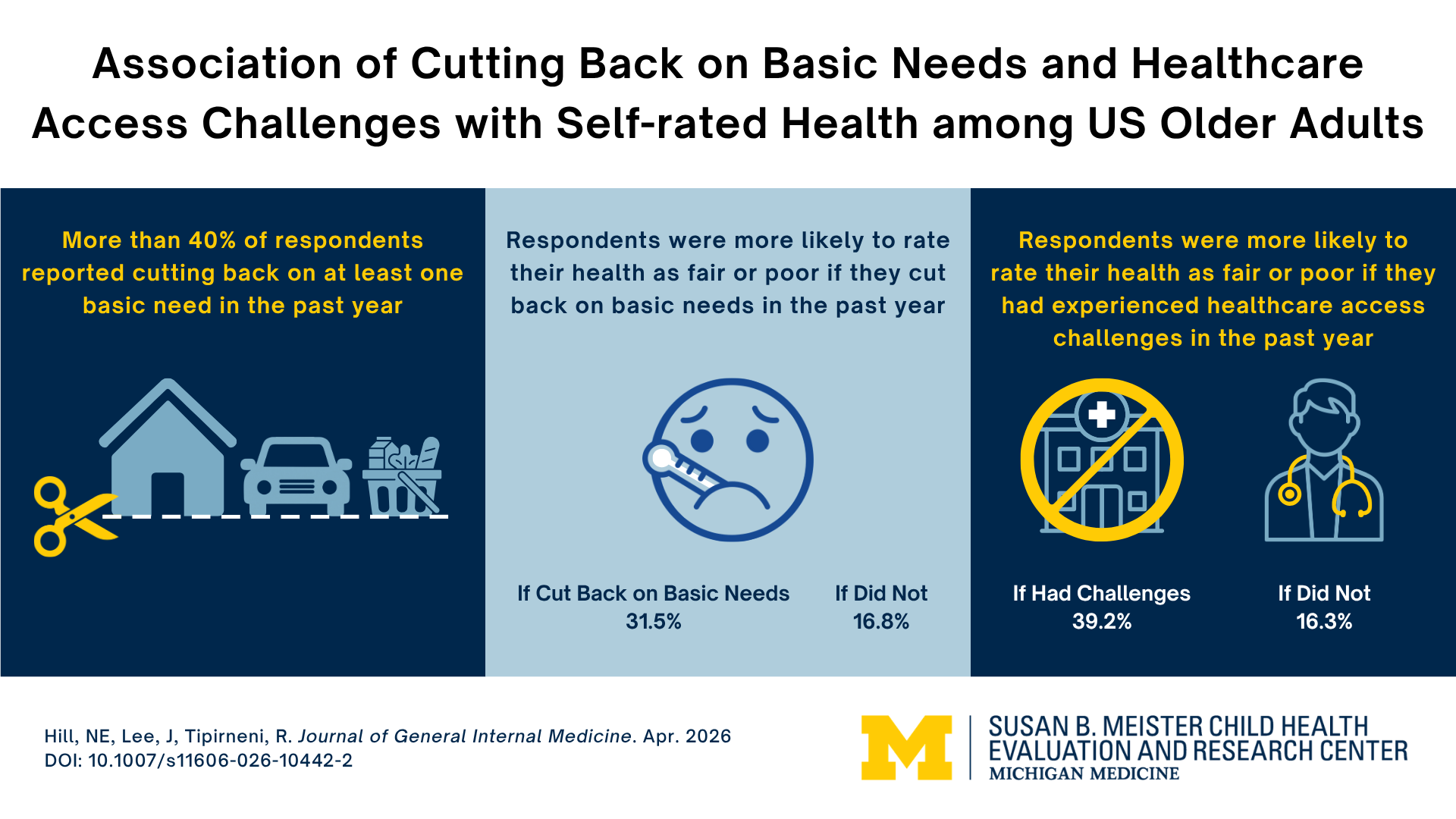
The study, led by CHEAR faculty investigator Nina Hill, MD, MS, analyzed responses from more than 2,400 U.S. adults age 50 and older with cardiometabolic disease who participated in the 2024 National Poll on Healthy Aging. Nearly 42% said they had cut back on essentials such as food, housing, utilities, or transportation during the previous year, while 16% reported delaying or skipping medical care or having difficulty paying for healthcare.
After accounting for demographic differences, participants who cut back on basic needs were twice as likely to rate their health as fair or poor compared with those who did not. Those who experienced healthcare access challenges were even more likely to report poor health.
The findings underscore the growing recognition that social factors—including access to food, stable housing, transportation, and affordable healthcare—play a critical role in managing chronic diseases. While recent policies have expanded coverage for certain non-medical benefits, researchers say many older adults with cardiovascular and related conditions continue to face financial hardships that may negatively affect their health.
The study highlights the importance of addressing both medical care and basic social needs to improve health outcomes and reduce disparities among older adults living with chronic cardiometabolic disease.